

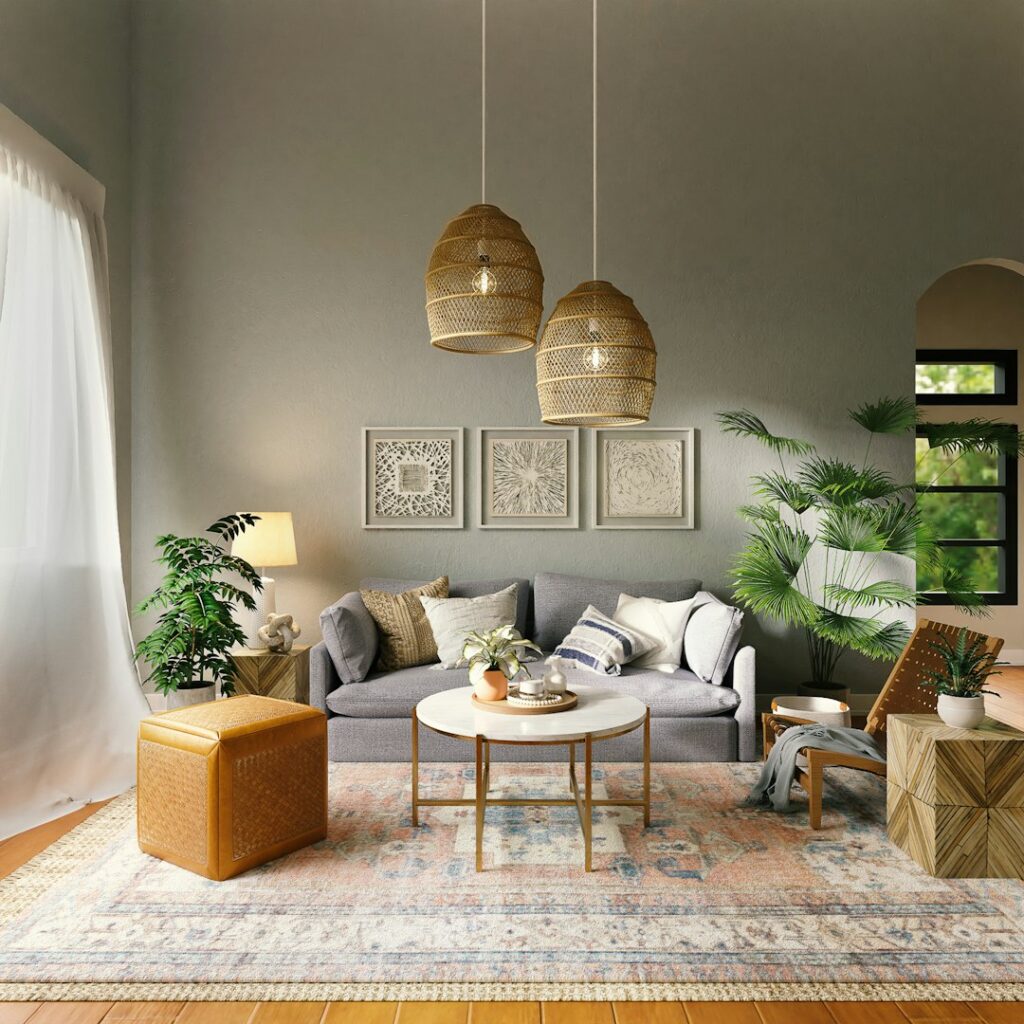
A cozy living room should feel comfortable, practical, and connected to the way a household actually lives. In Pinehurst, NC, where homes may need to feel welcoming through humid summers, mild winters, and changing seasonal routines, comfort depends on more than adding soft blankets. Room layout, lighting, airflow, fabric choice, and storage all influence whether a space feels relaxed or cluttered.
What makes a living room feel cozy?
A cozy living room usually combines comfortable seating, warm lighting, layered textures, and a layout that supports conversation. The goal is not to fill the room with decorative objects, but to make it easy to sit, move, read, visit, and unwind.
Start by considering how the room is used most often. A household that watches television may need seating arranged toward one focal point, while a room used for conversation may work better with chairs and sofas facing one another. If the space serves several purposes, create small zones rather than pushing every piece of furniture against the walls.
Useful comfort-building elements include:
- A sofa or chairs with supportive cushions
- A rug that visually connects the seating area
- Curtains or shades that soften bright daylight
- Side tables within easy reach of seating
- Lamps positioned for reading and evening conversation
- A small amount of closed storage for everyday clutter
Cozy design is less about a particular decorating style and more about reducing friction. People should not have to reach across the room for a lamp switch, move furniture to walk through the space, or clear a chair before sitting down.
How should furniture be arranged for comfort?
Arrange the main seating first, then add tables and accent pieces around it. Leave enough space for natural movement, but avoid creating large empty gaps that make the room feel disconnected.
In many living rooms, the sofa works best facing the room’s primary focal point, such as a fireplace, television, or large window. Additional chairs can be placed at an angle rather than lined up rigidly. Angled furniture often creates a more relaxed arrangement and makes conversation easier.
A few practical spacing guidelines can help:
- Keep primary walkways clear and easy to identify.
- Place a coffee table close enough to reach without leaning forward uncomfortably.
- Allow doors, drawers, and windows to open fully.
- Keep at least the front legs of major seating on the area rug when possible.
- Avoid blocking heating, cooling, or ventilation equipment.
Open floor plans can make furniture placement more difficult. Instead of arranging every piece along the perimeter, use a rug and seating group to define the living area. The back of a sofa can serve as a subtle divider without making the room feel closed off.
Which colors work well in a comfortable living room?
Comfortable rooms often use a restrained color palette with variation in tone and texture. Warm neutrals, muted greens, soft blues, sandy shades, and gentle terracotta can create a settled atmosphere without making the room feel visually heavy.
Color should also respond to natural light. A room with strong afternoon sun may benefit from cooler or softer colors, while a shaded room may feel more inviting with warm whites, beige, clay, or honey-toned wood.
A simple approach is to select:
- One primary wall or upholstery color
- One or two supporting colors for curtains, rugs, or chairs
- A darker accent for contrast
- Natural materials such as wood, woven fibers, stone, or leather
Matching every item exactly can make a room feel flat. A more comfortable result comes from repeating colors loosely across the room while allowing materials and patterns to vary.
Paint samples should be viewed at different times of day. Humidity, bright sunlight, and artificial lighting can change how a color appears, particularly in rooms with large windows or light-colored flooring.
How can lighting make a room feel warmer?
Lighting has a strong effect on comfort, especially after sunset. A single ceiling fixture often creates glare and leaves corners of the room too dark. Several lower light sources usually produce a softer and more flexible effect.
Use a combination of:
- Ambient lighting for general visibility
- Task lighting for reading, puzzles, or hobbies
- Accent lighting to highlight artwork, shelving, or architectural features
Table and floor lamps should be placed where they are useful rather than simply used as decoration. A reading chair needs focused light nearby, while a seating group may benefit from lamps at both ends of a sofa. Warm-toned bulbs can create a relaxed evening atmosphere, but overly dim lighting may cause eye strain.
Window coverings also contribute to comfort. Light-filtering curtains can soften strong daylight, reduce glare, and provide privacy. In warmer months, adjustable shades or curtains can help limit heat gain during the brightest part of the day while still allowing natural light at other times.
Which fabrics and textures are practical for the local climate?
Breathable, washable, and durable materials are often sensible choices for area households. A room can feel layered without becoming hot or difficult to maintain.

Cotton, linen blends, washable woven fabrics, jute, wool, and performance textiles can each serve different purposes. Heavier fabrics may add warmth during cooler evenings, while lighter upholstery and loose-weave throws can feel more comfortable during humid weather.
Texture can come from:
- A woven area rug
- Cushions in different fabrics
- A knitted or lightweight throw
- Wood surfaces with visible grain
- Baskets made from natural fibers
- Matte ceramics or gently textured wall art
Do not assume that more texture always means more comfort. Excessive pillows, thick rugs, or heavy curtains may trap heat and create additional cleaning work. Choose layers that match the household’s habits and the room’s ventilation.
How can a living room stay cozy without looking cluttered?
Comfort and clutter are not the same thing. A room feels more restful when frequently used items have convenient places to return to.
Use baskets for throws, trays for small objects, and cabinets or storage ottomans for items that tend to gather on tables. Keep the most useful objects within reach, but avoid leaving every surface filled. Clear areas give the eye a place to rest.
A practical editing process is to remove anything that is:
- Rarely used
- Uncomfortable or difficult to maintain
- Too large for the room
- Repeated without serving a purpose
- Blocking movement or natural light
Decorative objects have more impact when they are grouped thoughtfully. A small arrangement of books, a lamp, and one meaningful object may feel more intentional than a shelf crowded with unrelated items.
What seasonal adjustments improve comfort?
Living rooms can be adjusted throughout the year without redesigning the entire space. In warmer months, lighter throws, breathable cushion covers, and fewer layered textiles can help the room feel less stuffy. Ceiling fans, open windows when conditions allow, and carefully managed sunlight can also improve comfort.
During cooler weather, add a thicker rug, heavier curtains, or a few warmer-toned accessories. Rearranging chairs closer to a fireplace or another focal point can make the room feel more intimate.
Keep furnishings away from vents and avoid placing delicate materials where direct sunlight can fade them. Regularly rotating cushions, vacuuming rugs, and checking for moisture around windows can protect both comfort and the condition of the room.
How can a small living room feel inviting?
A small room can feel cozy when its furniture is appropriately scaled and its visual pathways remain open. Choose fewer, more useful pieces rather than several small items that make the room feel crowded.
A compact sofa, one comfortable chair, a small round table, and a properly sized rug may be enough. Furniture with visible legs can create a lighter appearance, while mirrors or reflective surfaces can help distribute light without replacing the need for good storage.
The most successful small living rooms usually prioritize clear movement, comfortable seating, and controlled color. A room does not need to be large to feel welcoming; it needs to support the people using it.