

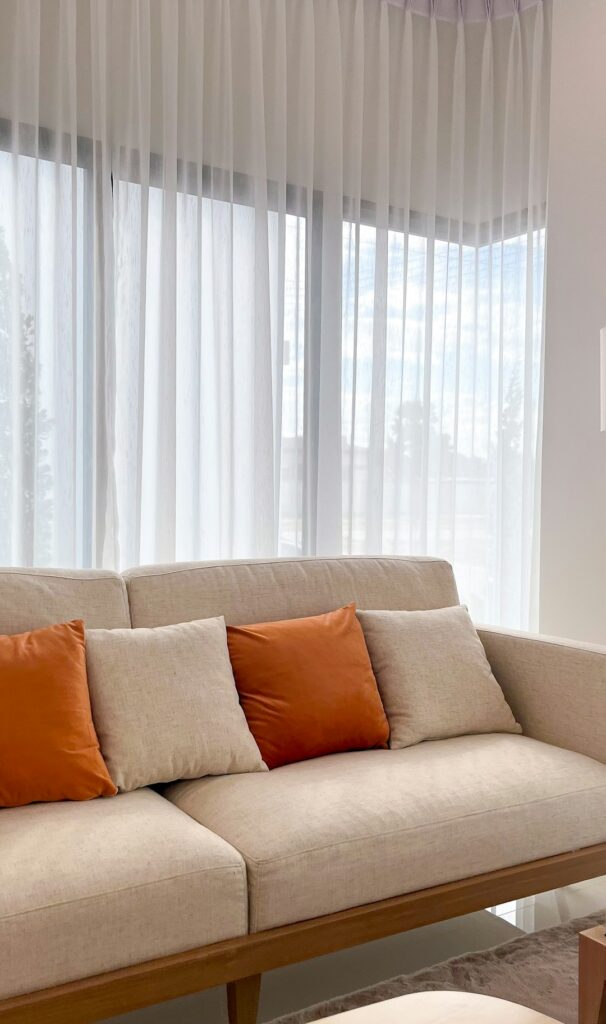
Natural light can make rooms feel larger, improve visual comfort, and reduce the need for electric lighting during the day. In Pinehurst, NC, thoughtful window treatments, reflective surfaces, and room placement can help households make better use of bright outdoor conditions while still managing heat, glare, and seasonal changes.
Which rooms benefit most from natural light?
Living rooms, kitchens, dining areas, home offices, and bedrooms usually benefit most from daylight because these spaces are used frequently. Rooms with larger windows or clear sightlines to open outdoor areas often receive more light than spaces shaded by porches, mature trees, neighboring homes, or roof overhangs.
The direction a window faces also matters:
- East-facing windows provide softer morning light but may create glare during breakfast or early work hours.
- South-facing windows generally receive strong light for much of the day, especially during winter.
- West-facing windows can bring warm afternoon light but may create intense glare and heat later in the day.
- North-facing windows tend to provide steadier, softer illumination with less direct sun.
A room does not need large windows to feel brighter. A smaller window positioned high on the wall can spread light deeper into a space, especially when nearby surfaces are light in color.
How should furniture be arranged to preserve daylight?
Furniture should support the path of light rather than block it. Tall bookcases, cabinets, upholstered chairs, and large plants placed directly in front of windows can reduce the amount of daylight entering a room.
Keep the area immediately inside a window relatively open when possible. A low bench, narrow console, or compact table usually interferes less with light than a tall piece of furniture. In a living room, arranging seating perpendicular to a window may preserve the view and reduce direct glare on screens.
Interior doors also affect brightness. Open doors with glass panels, wider openings, or lighter finishes can help daylight travel from one room into another. If privacy is needed, translucent glass or fabric panels can provide separation without making adjacent spaces feel closed off.
What window treatments let in light without creating glare?
The most useful window treatments balance daylight, privacy, and temperature control. Bare windows may provide the most light, but they can also create glare and make rooms uncomfortable during bright portions of the day.
Several options can work well:
- Light-filtering shades soften direct sunlight while maintaining a bright room.
- Sheer curtains diffuse harsh light and add privacy without fully darkening the space.
- Adjustable blinds allow residents to redirect light upward or sideways.
- Layered treatments combine a translucent daytime layer with a more opaque layer for evening privacy and occasional room darkening.
- Exterior shading from roof overhangs, covered porches, trees, or properly placed awnings can reduce heat before sunlight reaches the glass.
For west-facing windows, adjustable treatments are especially useful because afternoon sun can be low, bright, and difficult to block with a simple overhead overhang. In rooms that face strong morning or afternoon light, it is often better to diffuse the light than to eliminate it completely.
Do light wall colors really make a room brighter?
Light colors can make a room appear brighter, but they do not create additional daylight. Their value comes from reflecting more of the light already entering the space.
Soft white, warm ivory, pale gray, muted beige, and light natural wood tones can help distribute daylight across walls and ceilings. Very bright white surfaces may feel stark in rooms with intense direct sun, while slightly warm neutrals often create a more comfortable appearance.
Ceilings have a particularly strong effect because they can reflect light deeper into a room. A lighter ceiling paired with medium-tone walls often creates more visual balance than using the same dark color on every surface.
Glossy finishes reflect more light than matte finishes, but excessive shine can increase glare. Satin or eggshell finishes are often easier to live with than highly reflective surfaces, especially in kitchens and rooms with direct sunlight.
How can mirrors and reflective surfaces improve daylight?
Mirrors can redirect light, but their placement matters more than their size. A mirror positioned across from or at an angle to a window may reflect daylight into a darker portion of the room. A mirror beside a window can also expand the impression of brightness without placing a reflective surface directly in the line of sight.
Other useful reflective surfaces include:
- Glass-front cabinets
- Light-colored stone or ceramic tile
- Polished metal fixtures used in moderation
- Pale wood floors or finished surfaces
- Framed artwork with glass
- Furniture with lightly reflective finishes
A mirror facing a bright window may reflect outdoor glare directly into seating areas or onto a television. Testing the position at different times of day helps prevent an attractive arrangement from becoming uncomfortable.
What outdoor conditions affect indoor daylight?

Trees, shrubs, porches, screens, fences, and rooflines all influence how much daylight reaches a window. In Pinehurst, mature landscaping can provide valuable shade during hot portions of the year, but dense growth close to the house may also darken rooms and increase moisture near walls or windows.
Pruning should be approached carefully. Removing too much shade can increase heat and glare, while allowing branches to press against the roof or siding can create maintenance concerns. The goal is usually filtered light rather than completely unobstructed exposure.
Seasonal changes also matter. Deciduous trees may allow more winter sunlight after leaves fall, while evergreen plantings can provide consistent shade and privacy. Homes with covered porches may have comfortable, diffuse light but less direct daylight than homes with exposed windows.
How can daylight improve a home office?
A home office benefits from balanced, indirect light. Positioning a desk near a window can reduce dependence on overhead lighting, but placing a monitor directly in front of a bright window may cause glare. A desk perpendicular to the window is often more comfortable.
Use adjustable shades to control changing light levels, particularly in rooms with east- or west-facing windows. A desk lamp remains useful even in a bright room because daylight changes throughout the day and may not evenly illuminate paperwork or keyboards.
Light-colored walls behind a monitor can reduce contrast and visual strain. If the room becomes too bright for video calls, a sheer curtain or light-filtering shade can soften the background without making the space feel dark.
Should energy efficiency be considered alongside natural light?
Yes. More daylight is not always better if it causes rooms to overheat or makes cooling systems work harder. Window size, glass type, shading, air leakage, and orientation all affect comfort.
During warmer months, use shades during the brightest portions of the day when direct sun is heating a room. Closing treatments before the room becomes hot is generally more effective than waiting until temperatures rise. During cooler periods, opening sunny windows can provide useful warmth if glare and fading are not concerns.
Older windows may also feel uncomfortable because of drafts, hot glass, or uneven temperatures near the frame. If a window is damaged, difficult to operate, or allowing significant air leakage, safety and building performance should take priority over decorative changes.
How can renters or homeowners brighten a dark room without remodeling?
Several low-impact changes can improve a room without replacing windows:
- Remove heavy, dark window coverings and replace them with light-filtering options.
- Use a lighter area rug or furniture arrangement to reflect more daylight.
- Keep windows and screens clean so dust does not reduce brightness.
- Trim or reposition indoor plants that block glass.
- Add a mirror to a side wall where it can reflect light without creating glare.
- Replace dark lampshades with lighter fabric that allows more illumination.
- Use glass or open shelving to reduce visual weight.
- Paint the ceiling and walls in coordinated light tones.
Clean windows are especially useful after pollen-heavy periods, storms, or prolonged dry weather. Even a thin layer of dust can make daylight appear duller, particularly on low-angle morning or afternoon sun.
What is the most practical approach?
Start by observing each room at different times of day rather than changing everything at once. Identify where light enters, where glare occurs, and which surfaces or furnishings block it. Then make adjustments in this order: clear the window area, refine window treatments, improve reflective surfaces, and address outdoor shade.
The strongest results usually come from combining several modest changes. A well-positioned mirror, lighter wall finish, adjustable shade, and uncluttered window can make a room feel noticeably brighter while preserving privacy and indoor comfort.