

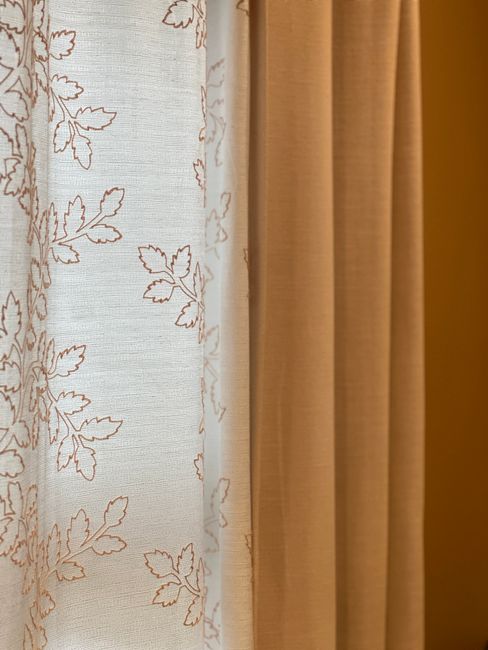
How should window treatments be chosen for each room?
The right window treatment depends on the room’s light, privacy, moisture, temperature, and daily use. A bedroom may need darkness and insulation, while a kitchen usually benefits from easy cleaning and adjustable daylight.
In Pinehurst, NC, window coverings also need to perform through bright summers, humid conditions, occasional cold weather, and homes with varied architectural styles. The most practical approach is to evaluate each window individually rather than choosing the same treatment throughout the house.
Before comparing styles, consider four questions:
- How much natural light should enter?
- Is privacy needed during the day, at night, or both?
- Will the window be exposed to moisture, cooking residue, or frequent handling?
- Could the treatment interfere with doors, furniture, ventilation, or emergency exits?
What window treatments work best in living rooms?
Living rooms usually benefit from layered treatments that provide flexible light and privacy control. A shade, blind, or shutter can manage glare during the day, while side panels or curtains add softness and help the room feel finished.
For a space with large windows, adjustable shades are useful because they can reduce brightness without blocking the entire view. Woven or fabric shades can introduce texture, while horizontal or vertical blinds may suit rooms that need precise control over light direction.
Curtains should be sized carefully. Panels that are too narrow may look skimpy when closed, and a rod mounted too close to the glass can make the window appear smaller. Mounting the rod slightly above the frame and extending it beyond the sides can create a fuller appearance, provided there is enough wall space.
In rooms that receive strong afternoon sun, lined fabric or cellular shades can help reduce heat gain and protect furnishings from fading. However, no window treatment completely replaces good glass, exterior shading, or appropriate insulation.
Which treatments are practical for bedrooms?
Bedrooms generally need privacy, darkness, and temperature control. Room-darkening shades, lined curtains, or a combination of both can reduce early-morning light and help create a more comfortable sleeping environment.
Blackout fabric and blackout liners are not always the same. Some block nearly all visible light, while others soften brightness but still allow a glow around the edges. Light can also enter through gaps at the sides and top, so the fit and installation matter as much as the fabric.
Cellular shades are useful in bedrooms because their honeycomb structure creates pockets of air that can reduce heat transfer. They are especially helpful at windows that feel noticeably warmer or cooler than the surrounding wall.
For children’s rooms, cordless designs or products with inaccessible operating cords reduce a known strangulation hazard. Any treatment near a bed, crib, or play area should be checked for loose cords, dangling loops, and hardware that can be pulled down.
What should be used in kitchens?
Kitchen window treatments should tolerate humidity, grease, food splashes, and frequent cleaning. Smooth, moisture-resistant materials are usually easier to maintain than delicate fabrics or heavily textured surfaces.
Good choices may include:
- Simple roller shades that can be wiped clean
- Faux-wood or composite blinds that resist moisture
- Interior shutters with durable painted surfaces
- Shorter treatments that stay clear of sinks and work areas
Fabric curtains can work in a kitchen if they are positioned away from the range and sink. Treatments placed near cooking surfaces should not hang close to open flames, heating elements, or appliances that produce substantial heat.
Avoid complicated folds and deep textures where dust or cooking residue can collect. A treatment that looks attractive but requires delicate cleaning may become inconvenient in a heavily used kitchen.
How should bathroom windows be covered?
Bathrooms need privacy and moisture resistance. Treatments made from materials designed for humid spaces are generally more reliable than untreated natural fibers, which may absorb moisture and develop mildew or distortion.
Water-resistant blinds, shutters, and certain synthetic shades can work well. Privacy film may also be useful where daylight is desired without a clear view through the glass, although it does not provide the same control as an operable covering.
A bathroom window that receives direct sunlight may need both privacy and glare control. Frosted or textured glass can address privacy, while a moisture-resistant shade adds flexibility for brighter parts of the day.
Allowing air to circulate around the window area helps reduce condensation. Treatments should not remain tightly closed for long periods if moisture is collecting on the glass or frame.
What works best for dining rooms and home offices?
Dining rooms often benefit from treatments that control glare without making the room feel closed in. Lined curtains, Roman shades, woven shades, and wood-tone blinds can complement furnishings while allowing adjustable daylight.
A home office needs special attention to screen glare. Light entering from the side of a monitor can be uncomfortable, while direct light behind the screen may create reflections and reduce visibility. Adjustable shades are usually more useful than fixed coverings because they allow light to change throughout the day.
For video calls, a window directly behind the desk can create a dark silhouette. Positioning the desk perpendicular to the window or using a translucent shade can produce more balanced light.
Are sliding doors and large openings different?
Yes. Sliding doors require treatments that move easily, clear the handle, and do not obstruct the walking path. Vertical panels, sliding fabric panels, or separate coverings for each section may be more practical than a single heavy curtain.
The treatment should stack on the side that does not interfere with the door’s operation. Before choosing a style, measure the full opening, the handle clearance, and the space available for panels when they are open.
Large stationary windows may require stronger hardware and wider spans than ordinary windows. Lightweight materials can be easier to operate, but they still need proper support to prevent bowing, sagging, or uneven movement.
How do local weather and seasonal conditions affect the choice?
Bright sun, summer humidity, and changing temperatures can influence both comfort and durability. Windows with strong sun exposure may benefit from UV-filtering shades or lined treatments, especially where wood floors, artwork, and upholstered furniture are nearby.
Humidity can affect natural wood, unsealed fabrics, and poorly ventilated window areas. In rooms that stay damp, choose materials that are less likely to swell, warp, or retain moisture.
In older homes, window openings may not be perfectly square. Measurements should include the width at the top, middle, and bottom, along with the height at both sides. Uneven openings may require an outside-mounted treatment or additional adjustment for a clean fit.
What common mistakes should be avoided?
Several problems can make an otherwise suitable treatment frustrating:
- Choosing a style before considering how the window is used
- Ignoring the direction of sunlight
- Measuring only one point of an uneven opening
- Placing fabric too close to a heat source
- Selecting delicate materials for a high-moisture room
- Blocking a window that serves as an emergency exit
- Forgetting clearance for handles, furniture, and nearby doors
- Assuming “light filtering” means the same thing as “room darkening”
Window treatments should also be easy enough to operate regularly. If opening or adjusting a covering is difficult, it may remain in one position and fail to provide the intended control.
How can the whole home look coordinated?
A coordinated home does not require identical treatments in every room. Consistency can come from repeating a color family, hardware finish, fabric weight, or general line rather than using one product everywhere.
For example, living areas may use layered curtains and shades, bedrooms may use room-darkening treatments, and bathrooms may use moisture-resistant blinds. Keeping the undertones and mounting details compatible can make these different solutions feel connected.
The most successful plan balances appearance with the practical demands of each room. Privacy, glare, heat, moisture, safety, and ease of cleaning should guide the decision before decorative details are finalized.